The Pittsburgh Steelers are at the center of a hypothetical NFL controversy after a stunning scenario suggested that T. J. Watt could receive an unprecedented open-ended contract, a move that would immediately ignite fierce debate about loyalty, superstar privileges, and the future of professional football in Pittsburgh.
If such an arrangement were ever formally introduced, it would represent a remarkable statement about Watt’s importance to the franchise, potentially redefining how the Steelers reward a defensive superstar whose relentless pressure, leadership, and game-changing performances have made him one of the most recognizable figures in the organization.
Mike McCarthy would face intense scrutiny over the strategic reasoning behind such a decision, particularly because an open-ended agreement would raise difficult questions about contractual flexibility, salary-cap management, and whether Pittsburgh was prepared to establish a precedent that other NFL franchises might eventually attempt to follow.
For Steelers Nation, the idea would carry enormous emotional significance, because Watt represents the kind of defensive identity that Pittsburgh supporters have celebrated for generations, combining physical dominance, relentless effort, and the expectation that opponents must account for him on virtually every important passing down.
Yet beneath the excitement lies a much more complicated question: would giving a franchise cornerstone extraordinary contractual treatment strengthen Pittsburgh’s championship ambitions, or could such a decision create financial and organizational challenges that eventually outweigh the benefits of keeping one of football’s most dangerous defensive players?
WHY T. J. WATT COULD COMMAND SUCH AN EXTRAORDINARY DISCUSSION
Watt has established himself as one of the NFL’s premier defensive forces, earning widespread recognition for his ability to disrupt quarterbacks, generate turnovers, and change the momentum of games through individual plays that can transform an opponent’s carefully constructed offensive strategy.
His value cannot be measured exclusively through sacks or tackles, because opposing offensive coordinators must frequently adjust their protection schemes, redirect blocking assignments, and make quicker decisions whenever Watt becomes a central factor in their game plans.
That influence creates a powerful argument for treating him as one of Pittsburgh’s most indispensable assets, especially when the franchise is attempting to maintain its defensive identity while competing against increasingly sophisticated offenses across the league.
Supporters would likely argue that a player who consistently commands attention from multiple blockers deserves extraordinary recognition, particularly when his presence can create opportunities for teammates who benefit from the additional space and protection challenges he forces opponents to confront.
However, an open-ended contract would introduce questions that go far beyond whether Watt deserves another financial reward, because NFL agreements must address compensation, guarantees, termination provisions, and the league’s established rules governing player contracts.
The Steelers would need to demonstrate that any unusual arrangement could operate within the applicable collective bargaining agreement and salary-cap framework, rather than relying on the assumption that an exceptional player’s accomplishments automatically justify an exemption from established requirements.
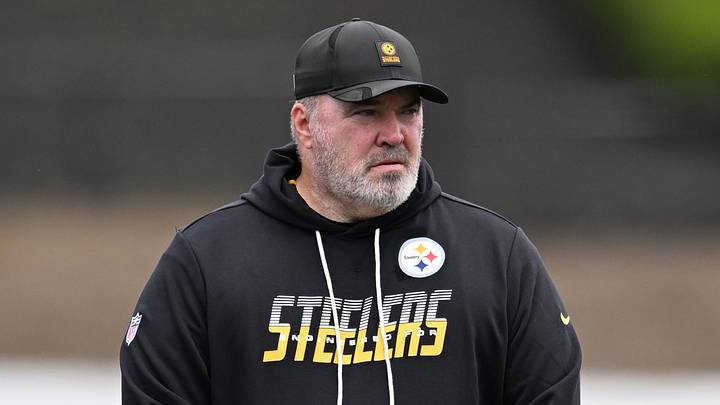
MIKE MCCARTHY’S STRATEGIC CALCULATION COULD FACE INTENSE SCRUTINY
If McCarthy were to support an extraordinary agreement involving Watt, the central issue would be whether the proposed structure genuinely improved Pittsburgh’s long-term prospects or simply generated headlines that placed additional pressure on the organization.
A successful strategy would require more than preserving a relationship with a superstar, because the Steelers must continue investing in complementary defensive talent, maintaining offensive consistency, and creating a roster capable of handling the physical demands of an entire NFL season.
Watt’s presence can influence how opponents approach critical situations, but even the most dominant edge rusher cannot independently solve every problem confronting a team, particularly when injuries, offensive inefficiency, and inconsistent performances create pressure across multiple units.
That reality would make the financial structure of any hypothetical agreement especially important, since the Steelers would need to balance Watt’s compensation against the resources required to retain other key contributors and develop the next generation of Pittsburgh talent.
An open-ended arrangement might sound like an ultimate expression of loyalty, but the details would determine whether it offered meaningful flexibility or introduced uncertainty into future negotiations involving the player, the coaching staff, and the front office.
For McCarthy, the challenge would be explaining how an unusual contractual strategy could support a sustainable winning culture without compromising the competitive depth that has traditionally been central to Pittsburgh’s identity.
THE NFL COULD FACE AN UNCOMFORTABLE QUESTION
The reaction from rival franchises would be fascinating if Pittsburgh ever pursued a genuinely unprecedented agreement, particularly among teams that have struggled to find defensive players capable of consistently influencing games at Watt’s level.
General managers would likely examine whether similar arrangements could be replicated, how the financial implications might affect roster construction, and whether such a structure could change the expectations of elite players entering future contract negotiations.
Agents representing other defensive stars might also study the concept carefully, searching for opportunities to negotiate greater flexibility, stronger guarantees, or alternative contractual provisions that provide additional security without violating existing league rules.
However, rival executives could argue that extraordinary treatment for one player risks creating unrealistic expectations elsewhere, especially if the arrangement is perceived as offering advantages unavailable to players with comparable accomplishments.
That disagreement could develop into a much larger debate about fairness, loyalty, and the limits of individual bargaining power within a league that depends on collectively negotiated rules to maintain a recognizable competitive structure.
Some supporters would celebrate Pittsburgh for exploring an unconventional way to honor a franchise cornerstone, while critics might question whether such a move would create unnecessary complications for a team that must remain disciplined in every aspect of roster management.
The disagreement would not necessarily mean Watt had done anything wrong, because the real controversy would concern how the organization balances individual recognition with the financial and competitive responsibilities that apply to every successful NFL franchise.
WHAT THIS COULD MEAN FOR STEELERS NATION

For Pittsburgh fans, Watt’s future carries significance that extends beyond a single contract negotiation, because he represents a defensive tradition built around pressure, toughness, and the belief that championship teams must make opposing quarterbacks uncomfortable.
His ability to influence game plans has helped maintain that identity, making discussions about his long-term future particularly important whenever supporters consider how Pittsburgh can remain competitive against its strongest AFC rivals.
Nevertheless, fans would have legitimate reasons to demand clarity before celebrating an extraordinary contractual announcement, because the difference between a symbolic commitment and a binding agreement can determine whether a headline reflects a real organizational decision.
Any actual contract would need to be evaluated through its confirmed terms, including its duration, compensation structure, guarantees, and compliance with league requirements, rather than through dramatic descriptions suggesting that ordinary contractual rules no longer apply.
The Steelers also must consider how their decisions affect the locker room, where players at different stages of their careers expect their contributions to be recognized through a system that remains understandable, consistent, and financially sustainable.
A strategy that successfully protects Watt’s future while preserving the team’s ability to strengthen other positions could become a compelling example of long-term planning, but an arrangement that limits flexibility could produce difficult consequences when future roster decisions arrive.
Ultimately, Pittsburgh’s greatest challenge would be ensuring that any commitment to Watt supports the broader objective of building a championship contender rather than becoming an isolated decision driven primarily by emotion or publicity.
A CONTRACT IDEA THAT COULD SPARK A LEAGUE-WIDE FIRESTORM
At this stage, the proposed open-ended agreement should be treated as a hypothetical scenario rather than a verified Steelers transaction, and the claim that Watt has received the first special exemption of its kind requires confirmation from reliable official sources.
Still, the concept highlights an important reality of modern professional football: when a player becomes central to a franchise’s identity, the discussion surrounding his future can quickly expand beyond compensation into questions about loyalty, competitive balance, and organizational philosophy.
Watt’s importance to Pittsburgh makes him a natural centerpiece for that discussion, especially because defensive superstars rarely receive the same sustained national attention as elite quarterbacks despite possessing the ability to determine the outcome of critical games.
If the Steelers ever pursued an arrangement that genuinely departed from conventional contract structures, the details would matter far more than the headline, determining whether the proposal represented a practical innovation or an idea that could not withstand the realities of NFL regulations.
For McCarthy and the organization, the ultimate test would be whether the strategy helped Pittsburgh build a stronger team while preserving the principles that have defined the franchise through generations of passionate support.
And that is what makes this hypothetical so compelling: how far should an NFL team go to reward a superstar who embodies its identity, and where should loyalty end when the future of an entire franchise is at stake?


