A devastating train collision in central Spain has plunged communities into mourning, disrupted the country’s football calendar, and left families waiting for answers as emergency crews continue responding to one of the region’s most serious railway disasters in recent memory.
The tragedy has also prompted an emotional wave of concern across social media, where claims have circulated linking the victims to the family of an Indiana Hoosiers football player, although that deeply personal connection has not been independently confirmed by reliable reporting.
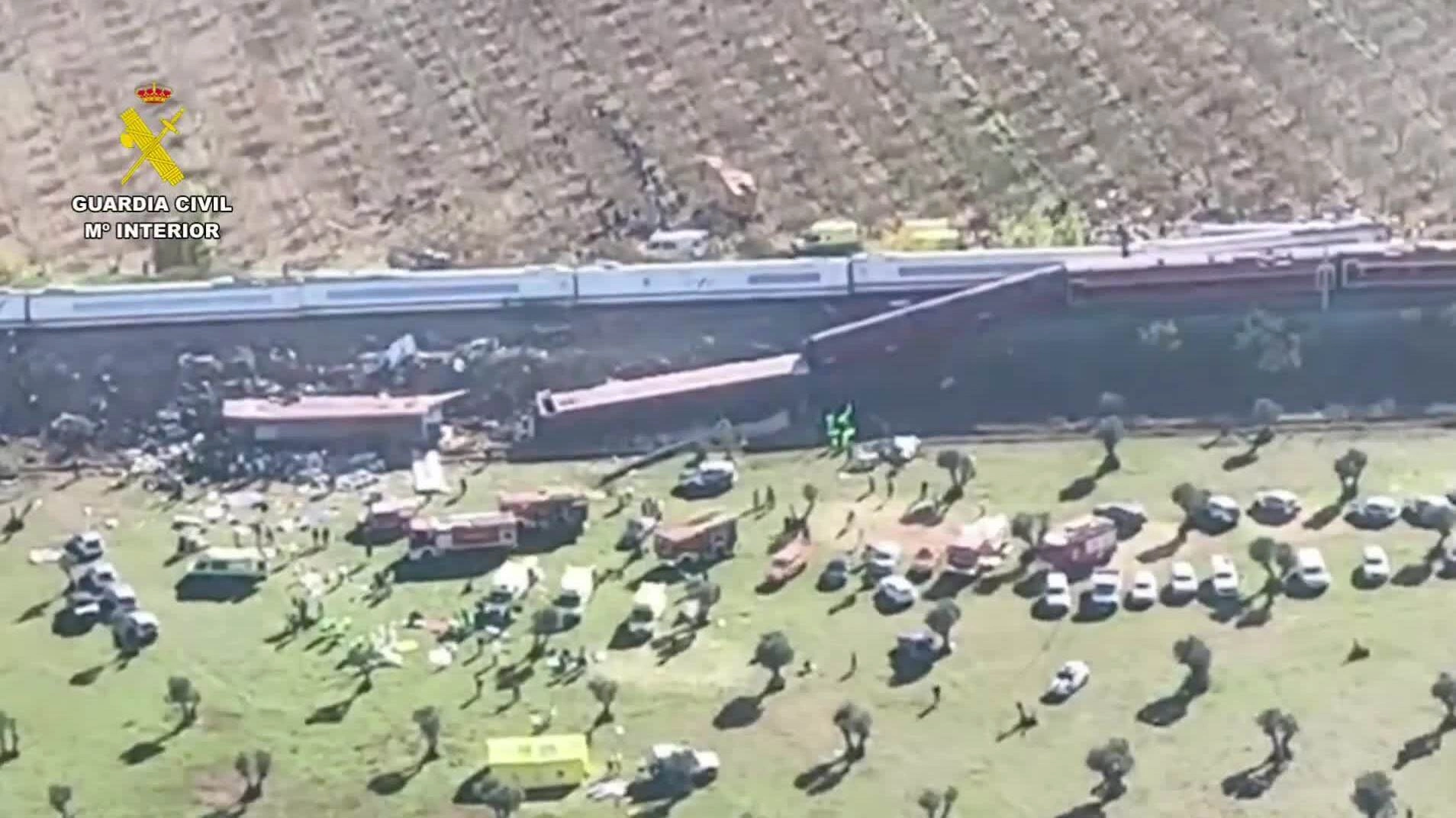
According to reports published on Wednesday, October 28, two high-speed trains collided near Urda in Spain’s Toledo province, producing a catastrophic scene that required an extensive emergency response and left authorities confronting a rapidly changing picture of the disaster.
Early reports described at least 30 fatalities and dozens of injured passengers, while later updates from Spanish authorities indicated that the death toll had risen substantially, underscoring the scale of the tragedy and the uncertainty surrounding its final human cost.
The collision involved a high-speed service striking the rear of another train that had stopped on the track, according to initial reporting, and investigators now face the difficult task of determining exactly what happened before the impact and why the disaster proved so deadly.
As rescue operations and identification efforts continued, Spain’s football community responded with an immediate act of solidarity, demonstrating that the consequences of a national tragedy can reach far beyond the railway lines and into the sporting institutions that bring people together.
The Royal Spanish Football Federation postponed all 24 Copa del Rey matches scheduled for Wednesday, explaining that the decision was made out of respect for the victims and their loved ones, with revised arrangements expected to be announced at a later date.
The postponement affected clubs preparing for first-round fixtures, turning what should have been a busy evening of domestic cup football into a moment of collective mourning, while teams, supporters, and officials joined the wider expressions of sympathy for those affected.
The decision was not simply a scheduling adjustment, but a public acknowledgment that football could wait while emergency responders worked and grieving families searched for information about people whose journeys had ended in unimaginable circumstances.
Amid those confirmed developments, online posts began drawing attention to an alleged connection between the disaster and the Indiana Hoosiers football program, suggesting that the parents of a prominent player were among those killed in the collision.
That allegation is deeply distressing, but as of the reporting available for this article, no reliable source had verified the player’s identity or confirmed that his parents were aboard either train, making it important not to treat the claim as established fact.
For the Indiana football community, any credible report that a player had suffered such a personal loss would naturally raise questions about his well-being, the support available to his family, and how teammates and coaches might respond during an exceptionally difficult period.
Yet compassion also requires restraint, especially when an unconfirmed story involves a possible bereavement, because repeating a name or presenting a rumor as fact can cause further harm to families who may already be enduring uncertainty and grief.
The Hoosiers’ season has attracted attention for its performances on the field, but situations like this remind supporters that athletes carry private lives and family relationships that cannot be measured by rankings, statistics, or the pressure of an approaching game.
If a connection to the Indiana program is eventually confirmed, the priority should be the affected family’s privacy and the support offered by those closest to the player, rather than speculation about his schedule, availability, or immediate football responsibilities.
For now, the confirmed story remains a major railway disaster in Spain, a growing toll of human loss, and a nationwide sporting response led by the postponement of Wednesday’s Copa del Rey fixtures.
As authorities work to establish the full circumstances, the public deserves accurate information about the victims and their families, while the unverified Indiana connection should remain clearly distinguished from the facts confirmed by news organizations and officials.
Behind every casualty figure are individual lives, relationships, plans, and journeys that mattered to someone, and the scale of the tragedy cannot be understood solely through numbers or the dramatic images emerging from the scene.

The suspension of the cup matches sends a clear message that sporting competition is secondary when a country faces such profound loss, while the wider response highlights the responsibility of teams, media outlets, and fans to show solidarity without spreading claims that have not been verified.
For Indiana supporters following the story, the most responsible course is to wait for a statement from the university, the player, or a credible news organization before drawing conclusions about a personal tragedy that has not yet been substantiated.
Spain is now facing the painful work of identifying victims, supporting survivors, and helping families navigate the aftermath, while investigators seek answers that may explain how an ordinary rail journey turned into a disaster with consequences reaching far beyond the tracks.
Until the alleged connection to the Hoosiers is confirmed, the focus should remain on the people affected in Spain and on ensuring that any further information about the Indiana program is shared with accuracy, care, and respect for those who may be grieving.


