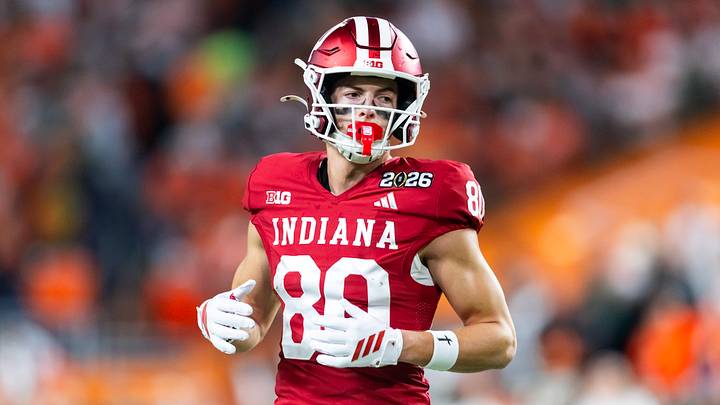
In a world where young athletes often find themselves surrounded by attention, expensive purchases, and enormous expectations, a remarkable story about Indiana rookie Charlie Becker is capturing hearts, with claims that he used his first college football paychecks to purchase a $650,000 home for his mother and provide monthly financial support to his childhood mentor’s family.
The story presents a powerful picture of gratitude, suggesting that Becker’s first major financial decisions were not driven by luxury or public recognition, but by a desire to reward the people who stood beside him long before college football offered the possibility of financial independence.
According to the circulating account, Becker wanted his mother to experience the security and comfort she had worked tirelessly to provide for him, turning the reported home purchase into a symbol of appreciation for years of sacrifice that may never have appeared in a highlight reel or a recruiting announcement.
The same account claims that Becker also began sending $12,000 every month to support the family of a childhood mentor, someone whose encouragement and guidance allegedly helped shape his character during the difficult years before his football career began attracting wider attention.
If these details are accurate, the reported gestures would represent something far more meaningful than an impressive financial headline, because they would illustrate how an athlete’s first substantial earnings can become an opportunity to recognize the people whose contributions made his ambitions possible.
However, the specific claims about Becker, the $650,000 home, and the recurring $12,000 payments have not been independently verified here, so they should be treated as an unconfirmed story rather than established news about the Indiana player.
Nevertheless, the underlying message resonates because the transition from aspiring athlete to financially compensated college football player can create a rare opportunity to express gratitude in practical ways, particularly toward family members and mentors who offered support when success remained uncertain.
For a mother who has watched her child pursue an increasingly demanding athletic dream, a home can represent much more than a property purchase, potentially offering stability, comfort, and the reassurance that years of effort have contributed to something lasting.
The emotional significance would be especially powerful if the purchase reflected a promise Becker had made long before receiving his first college paycheck, although no verified account has established whether such a promise existed or what circumstances may have inspired the reported decision.
Parents often make sacrifices that remain invisible to the outside world, from rearranging work schedules and traveling long distances to attending games, providing encouragement after disappointments, and helping young athletes maintain perspective when the pressure becomes overwhelming.
Those contributions rarely come with guarantees of future success, which is precisely why a gesture of gratitude can carry such significance when a young athlete eventually gains the means to provide meaningful assistance in return.
The reported support for Becker’s childhood mentor’s family adds another emotional dimension, because it suggests that his appreciation may extend beyond immediate relatives to someone who allegedly helped guide him through the formative years of his life.
A mentor can influence an athlete in ways that statistics cannot measure, offering advice during setbacks, encouraging discipline when motivation fades, and providing a dependable voice when difficult decisions threaten to derail a promising future.
For young athletes, that guidance can sometimes prove as valuable as technical coaching, particularly when they are navigating school responsibilities, competitive pressure, personal challenges, and the uncertainty of pursuing a career in professional sports.
If Becker truly committed to sending $12,000 monthly to his mentor’s family, the recurring nature of the reported support would be especially noteworthy, because sustained assistance involves a different level of financial responsibility from a single gift made during an emotional moment.
Such an arrangement could help a family manage regular expenses or unexpected challenges, but the actual circumstances, the family’s needs, and the existence of any payment agreement remain unconfirmed, making it important not to invent personal details about the people involved.
The story also raises an interesting discussion about the responsibilities young athletes face when they begin earning money through college sports, particularly as compensation opportunities create new possibilities while introducing financial decisions many students have never previously needed to manage.
For some supporters, the reported gestures would demonstrate that financial success and humility can coexist, challenging the stereotype that young athletes inevitably become disconnected from the communities and relationships that supported them before recognition arrived.
Others may argue that athletes should be careful about making large financial commitments early in their careers, since earnings can fluctuate, future opportunities remain uncertain, and responsible financial planning requires considering long-term expenses alongside immediate generosity.
That perspective does not diminish the value of gratitude, but it highlights an important truth: helping loved ones sustainably can require thoughtful planning, clear boundaries, and an understanding that personal financial security also matters.
The most compelling lesson, therefore, would not be that every athlete should purchase an expensive home or promise thousands of dollars every month, but that genuine appreciation can take many forms depending on a person’s circumstances and resources.
A thoughtful conversation, consistent support, educational assistance, or help during a difficult period can all communicate gratitude without requiring a dramatic financial gesture, especially for athletes whose careers and earnings remain unpredictable.
Indiana supporters understand that college football success involves more than what happens during a Saturday game, because the development of a player also includes discipline, personal growth, relationships, and the ability to manage increasing responsibility away from the field.
A story centered on Becker’s alleged generosity naturally draws attention to those broader qualities, inviting fans to consider what they hope young athletes will value when they begin receiving compensation for their contributions to a program.
It also reminds audiences that the people behind an athlete’s development are rarely visible during televised games, even though parents, mentors, teachers, and community members may have played important roles long before the athlete became a recognizable name.
Still, the emotional appeal of a story should never replace the need for verification, particularly when precise dollar amounts and claims about private financial support are used to portray a real person in a specific light.
Until reliable sources confirm the details, the reported home purchase and monthly payments should remain attributed claims rather than facts, and Becker should not be judged by whether he has made the particular financial choices described in the circulating narrative.
If the account is eventually substantiated, the most meaningful part would be the explanation behind those decisions and the relationships that inspired them, rather than the headline figures alone.
Ultimately, the story raises a question that reaches far beyond Indiana football: when success finally arrives, how can people honor those who helped them reach it without losing sight of their own future responsibilities?
The answer will look different for every athlete, but the principle remains powerful: gratitude is most meaningful when it reflects genuine appreciation, thoughtful action, and a lasting respect for the people who offered support before the rewards became visible.
And if Charlie Becker’s reported gestures are confirmed, the story may become a memorable reminder that an athlete’s character is not measured only by what he accomplishes under stadium lights, but also by how he chooses to recognize the people who helped him get there.


