The Indiana Hoosiers made history with a dramatic 13–6 overtime victory over the Michigan Wolverines, but the hard-fought contest has also fueled debate about officiating, coaching decisions, and the growing intensity of Big Ten football.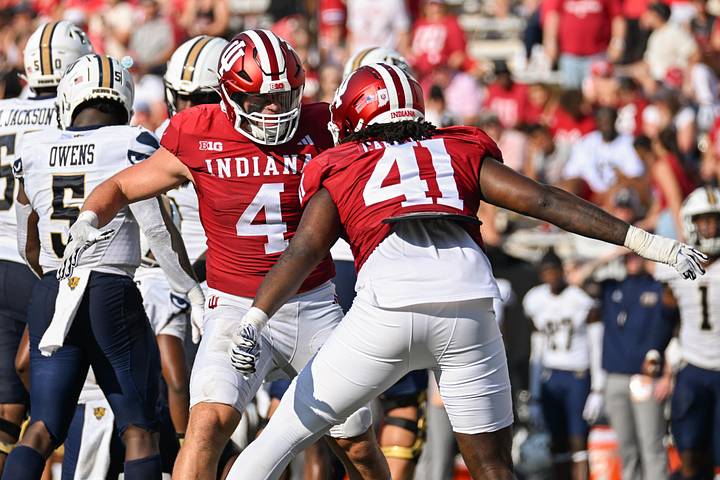
Head coach Curt Cignetti spoke to reporters after the October 24 showdown at Michigan Stadium, offering a candid assessment of his team’s performance. Although online headlines have suggested that Cignetti angrily confronted NCAA officials over controversial calls, available postgame reports do not confirm that he delivered a direct, angry message to the officiating crew.
Indiana Makes History at the Big House
The No. 6 Hoosiers entered the matchup looking to bounce back from a difficult loss to Ohio State. They ultimately accomplished a remarkable goal, securing their first victory at Michigan Stadium since 1967.
Indiana’s defense played a decisive role, limiting Michigan to just six points and 224 total yards. The Wolverines struggled to establish a consistent offensive rhythm, while turnovers and missed scoring opportunities prevented them from taking control of the game.
The contest remained tense throughout regulation. Michigan tied the score at 6–6 with a field goal as time expired, forcing overtime and setting the stage for a dramatic finish.
Indiana quarterback Josh Hoover then delivered the decisive moment, scrambling four yards for a touchdown after connecting with tight end Brock Schott on a 21-yard pass. The Hoosiers’ defense subsequently stopped Michigan’s final attempt to extend the game.
Did Cignetti Challenge the Officials?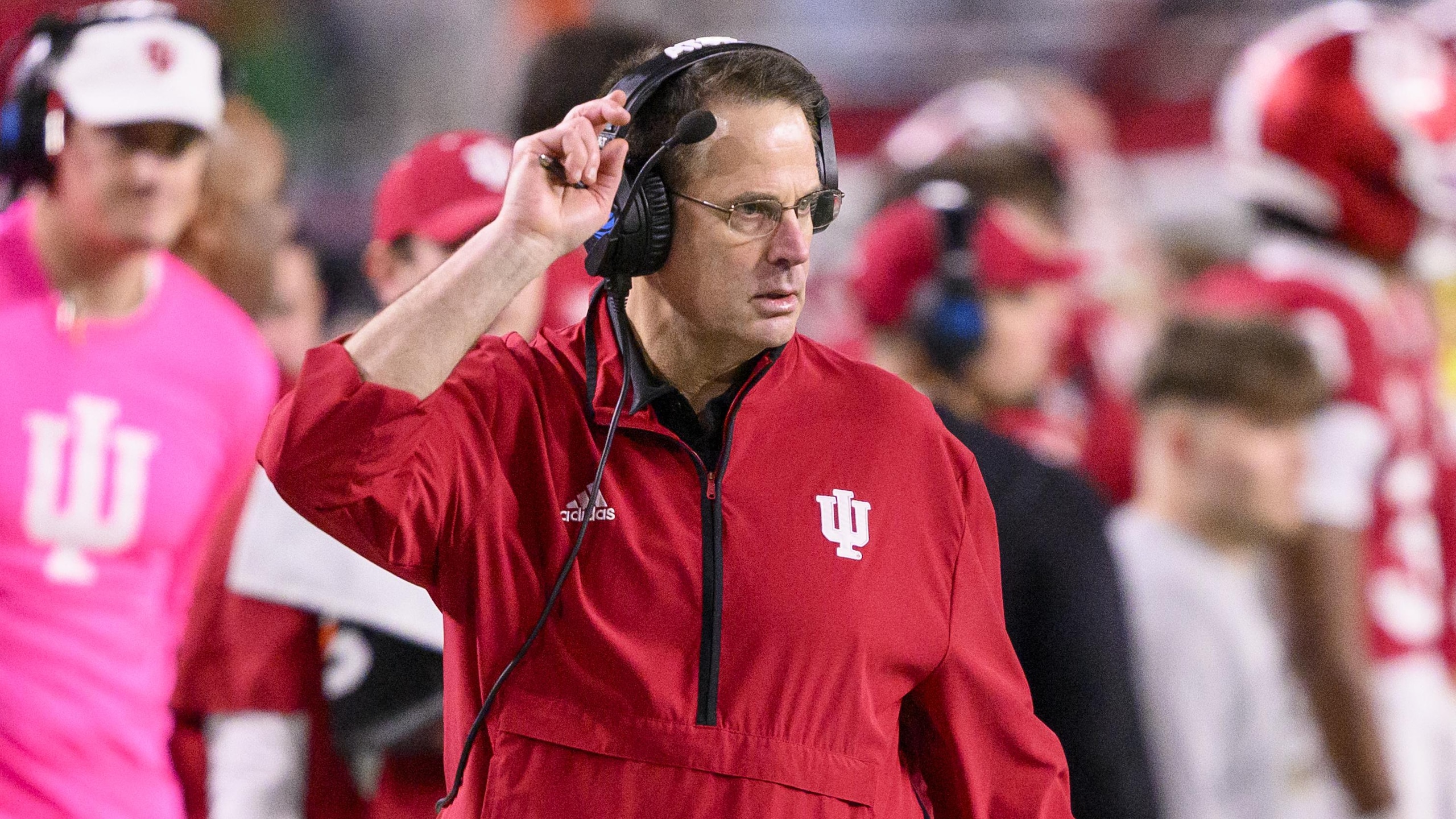
Controversial officiating decisions can quickly become major talking points after close college football games, particularly when a single penalty changes field position or extends a scoring drive.
However, Cignetti’s documented postgame remarks focused primarily on Indiana’s defensive performance, offensive struggles, and the importance of executing under pressure. He praised his defense for repeatedly making critical stops and acknowledged that his offense had not performed particularly well.
That distinction matters. Without a verified statement criticizing the officials, claims that Cignetti issued an angry warning to NCAA leadership should be treated cautiously rather than presented as established fact.
Nevertheless, the narrow score and physical nature of the contest are likely to keep fans debating individual plays and officiating decisions.
What Comes Next for the Hoosiers?
The victory improved Indiana’s record to 7–1 overall and 4–1 in Big Ten play, strengthening its position in the conference race. Michigan fell to 4–3 overall and 1–3 in conference competition.
For Cignetti, the challenge now is turning a gritty defensive performance into a more complete team effort. Indiana will need greater offensive consistency as the schedule continues and postseason ambitions remain in focus.
The biggest question is whether the Hoosiers can maintain their defensive intensity while improving their execution on offense.
Do you believe officiating played a significant role in Indiana’s victory, or did the Hoosiers simply earn the win with their defense? College football fans will certainly have plenty to discuss after this unforgettable Big Ten battle.


