The Indiana Hoosiers are at the center of a developing disciplinary controversy after an alleged incident involving a freshman football player and a female staff member sparked debate about respect, professionalism and accountability in college athletics.
Head coach Curt Cignetti has built Indiana into a nationally recognized program with high expectations for performance and discipline. Now, the reported incident raises an important question: how should a coaching staff respond when a young athlete is accused of crossing a line away from the football field?
Although the freshman’s identity and the specific circumstances have not been independently confirmed, the allegation has drawn attention to the standards expected of players representing the Hoosiers.
Curt Cignetti’s Culture Emphasizes Accountability
Cignetti is known for his demanding coaching style and direct approach to player development. His expectations extend beyond athletic ability, emphasizing preparation, discipline and doing what is required to help the team succeed.
For a freshman, adjusting to college football can be challenging. Players must balance demanding practices, academic responsibilities, public attention and the pressure to perform. However, those challenges do not eliminate the responsibility to treat coaches, teammates and university employees with respect.
If the reported incident is substantiated, disciplinary action could demonstrate that individual talent does not place a player above the team’s standards.
For Indiana, the issue is not simply whether a freshman remains in the lineup. It is whether every member of the program understands the importance of professional conduct.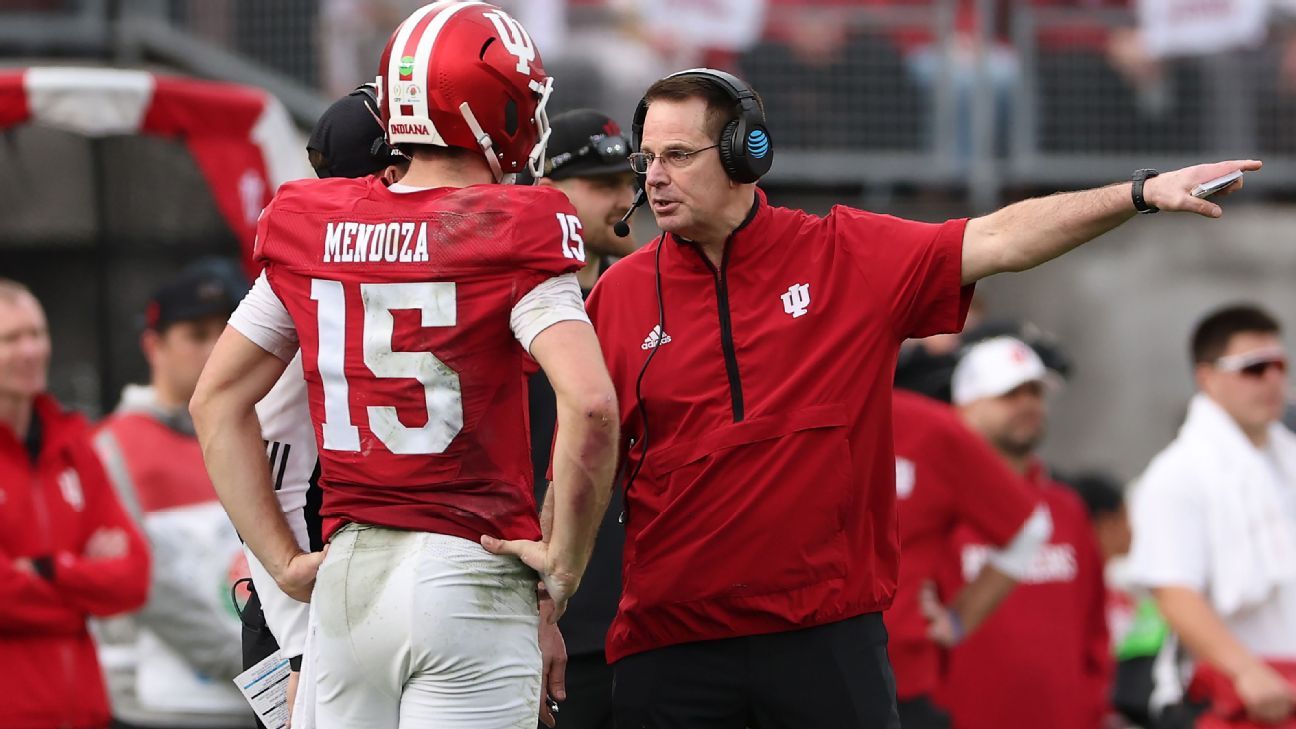
Why the Reported Benching Has Sparked Debate
The possibility of an immediate benching has raised questions among college football fans about how coaches should balance discipline with fairness.
Some supporters believe removing a player from the lineup sends a powerful message that disrespectful behavior carries consequences. Others argue that coaches should establish the facts and hear all sides before making a final decision.
Both perspectives highlight the importance of a consistent disciplinary process.
A player’s position on the depth chart should not determine whether the rules apply. At the same time, allegations should not be treated as proven facts without reliable evidence.
For the Hoosiers, handling the situation fairly would be essential to maintaining trust inside the locker room.
A Message Bigger Than Football
Indiana’s success under Cignetti has brought increased attention to the program and its culture. With that visibility comes greater scrutiny of how players conduct themselves on and off the field.
The people who support a football program—including athletic trainers, equipment staff, administrators and facilities employees—play important roles in helping athletes succeed. Respecting those individuals should be a basic expectation, regardless of a player’s experience or status.
Cignetti has publicly emphasized discipline and accountability, including clear expectations for player behavior during games. <Cite refs={[“turn377666search1″,”turn377666search2”]}/> However, those established standards do not independently confirm this particular allegation.
What Happens Next for Indiana?
The reported incident remains unverified, and no confirmed public statement establishes that a freshman was benched for the alleged comment.
Until further details emerge, it is important to distinguish the claims circulating among fans from confirmed information.
Nevertheless, the broader debate raises an important question for the Hoosiers: Can a program maintain championship-level expectations while ensuring that every disciplinary decision is fair and consistent?
For Cignetti, the challenge is to build a team that competes fiercely while representing Indiana with professionalism.
Talent can help win games, but accountability builds trust. If the allegations are substantiated, the response could become an important lesson about the standards expected of every Hoosier athlete.


