Patrick Mahomes has built a reputation as one of the NFL’s most competitive quarterbacks, but his intensity has occasionally pushed him into uncomfortable territory, and a previous $50,000 league fine demonstrated just how expensive an emotional reaction can become.
The punishment followed Kansas City’s controversial loss to the Buffalo Bills in December 2023, when Mahomes publicly criticized the officials after a late offside penalty erased what appeared to be a potential game-tying or game-winning touchdown for the Chiefs.
The incident became much bigger than one disputed call, because it placed one of football’s biggest stars at the center of a debate about officiating, accountability, sportsmanship, and whether the league applies its standards fairly when emotions explode during high-pressure games.
The Moment That Turned Frustration Into a Costly Consequence
The controversy erupted after officials penalized Chiefs wide receiver Kadarius Toney for lining up offside on a late touchdown play against Buffalo, leaving Kansas City facing an enormous setback during a game that appeared to be slipping away in heartbreaking fashion.
Mahomes reacted angrily on the field and continued expressing his frustration after the final whistle, with his comments drawing widespread attention because they challenged the officiating in one of the most closely watched moments of the regular season.
For a quarterback who had already established himself as a championship leader, the reaction exposed a different side of his competitive personality, showing how even elite players can struggle to separate immediate disappointment from the responsibilities that come with being the public face of a franchise.
The NFL subsequently fined Mahomes $50,000 for unsportsmanlike conduct involving abusive, threatening, or insulting language toward officials and public criticism of the referees, while head coach Andy Reid received a separate $100,000 fine over his comments concerning the officiating.

Why the Fine Sparked So Much Debate
The decision immediately raised a difficult question for football fans: should star players be expected to accept controversial officiating decisions without publicly challenging them, or should the league allow more room for emotional reactions when a single ruling can dramatically influence the outcome of a game?
Supporters of Mahomes argued that his frustration reflected the importance of the moment, particularly because the penalty wiped out a spectacular play that might have changed the ending and potentially forced Buffalo to defend a much more difficult final sequence.
Critics, however, maintained that professional athletes must understand the consequences of publicly attacking officials, especially when their comments reach millions of viewers and can undermine confidence in the league’s ability to manage games consistently.
Both sides have a point, which is precisely why the controversy continues to attract attention whenever Mahomes’ relationship with officiating becomes part of the conversation surrounding Kansas City.
A Superstar’s Reputation Is Always Under the Microscope
Mahomes is not judged like an ordinary player, because every reaction, sideline exchange, and postgame comment is scrutinized through the expectations attached to a franchise quarterback who has helped define the Chiefs’ modern identity.
That visibility creates a difficult balancing act, requiring him to compete with relentless intensity while remaining composed enough to lead teammates, communicate with officials, and protect the reputation of a team whose performances attract national attention every week.
A fine does not erase Mahomes’ accomplishments, nor does it automatically prove that his complaints about a particular call were unjustified, but it demonstrates that the NFL distinguishes between disputing a decision and how a player chooses to express that disagreement.
For Kansas City, the larger lesson extends beyond the money involved, because emotional discipline can matter just as much as physical execution when a game reaches its most decisive moments and every distraction threatens to pull attention away from the next play.
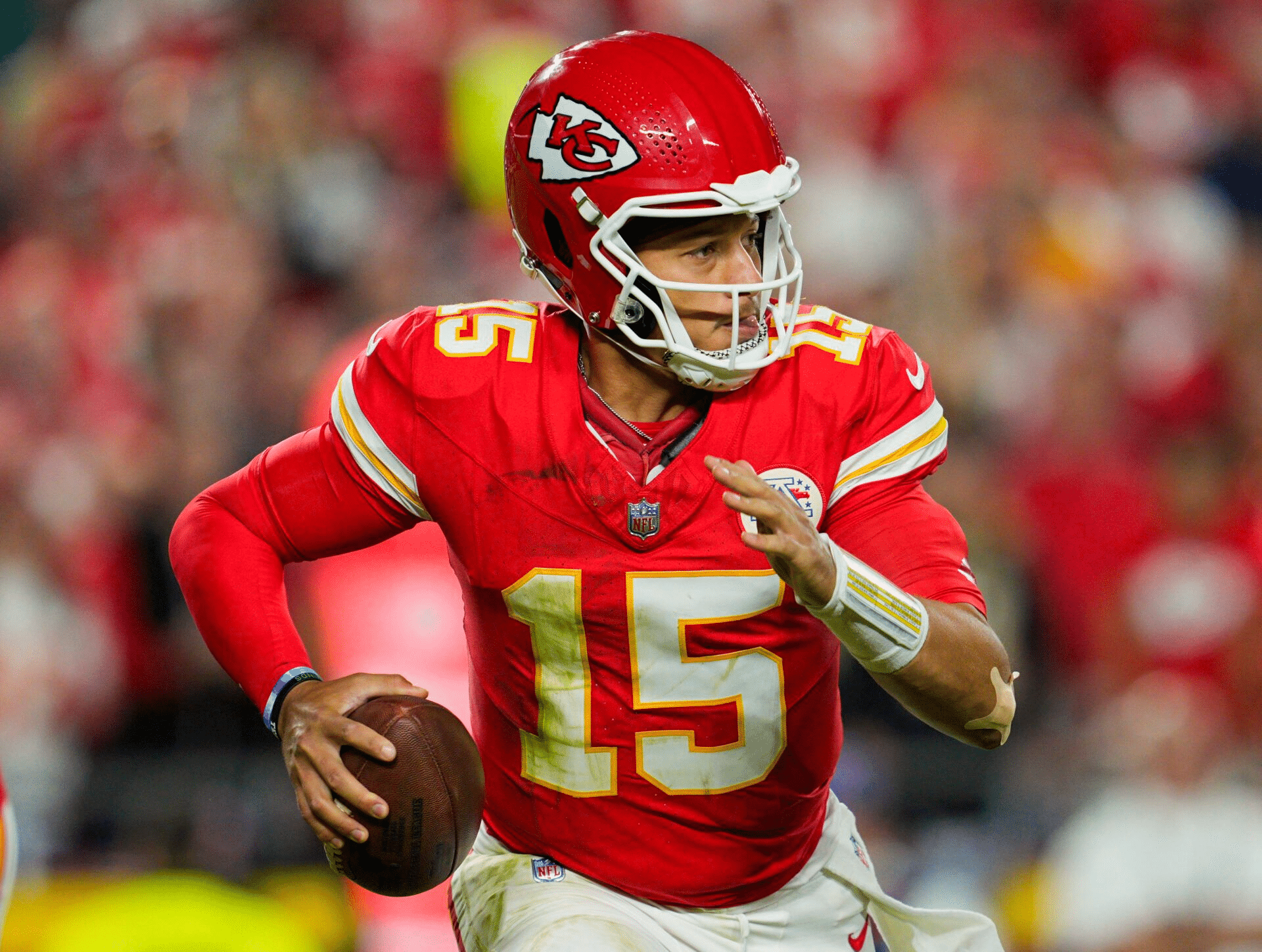
What Chiefs Kingdom Should Take Away From This Story
The important distinction is that the widely reported $50,000 punishment relates to the 2023 controversy, and there is no verified evidence in the current reports reviewed here that Mahomes has received a new $50,000 fine in October 2026.
That distinction matters because recycled headlines can make an older disciplinary decision appear to be breaking news, potentially misleading fans who understandably want immediate updates about their quarterback and the future of the Chiefs.
Nevertheless, the original incident remains a revealing chapter in Mahomes’ career, highlighting the tension between competitive emotion and professional responsibility that every franchise leader must navigate when the pressure becomes almost unbearable.
The debate is unlikely to disappear, because controversial calls are part of football’s reality, while the question of how players should respond to those calls remains one of the sport’s most emotionally charged subjects.
Mahomes has repeatedly shown that he can respond to adversity on the field, but the lasting lesson from this episode is that leadership involves more than delivering touchdowns and winning games, because composure during controversy can shape a superstar’s legacy just as powerfully as a memorable performance.
For Chiefs fans, the story is a reminder that even an elite quarterback can face consequences when frustration spills into public criticism, and that the line between defending a team and crossing the league’s conduct standards can become surprisingly expensive.


